
Flat roofs are taking center stage in the construction industry’s push towards a net-zero future. With the UK setting ambitious emission targets, building designs are evolving to align with sustainability goals from inception to deconstruction.

Tom Raftery, Bauder’s sustainability and PV manager, emphasizes how flat roofs are undergoing significant transformations to support a low-carbon future. By integrating insulation, circularity, energy generation, and resilience, flat roofs are becoming key players in achieving net-zero emissions.

Insulation is a fundamental aspect of sustainable design, with a fabric-first approach crucial for reducing heat loss and improving energy efficiency. Effective flat roof insulation not only minimizes heating and cooling needs but also addresses cold bridging issues to enhance overall performance.
Circular design principles are driving the development of sustainable flat roof systems that prioritize durability, ease of maintenance, and recyclability. Roof systems are now being designed for eventual disassembly and recycling, meeting stringent waterproofing and fire safety standards for long-term sustainability.
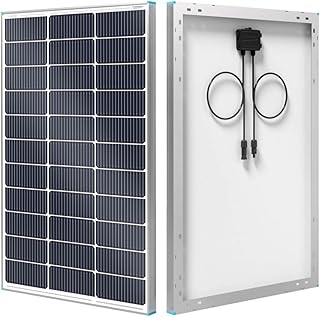
On-site energy generation is a significant strategy for reducing operational carbon and achieving net-zero goals. Installing solar panels on flat roofs generates clean energy, lowers utility costs, and enhances the building’s energy independence. Combining solar arrays with green roofs further amplifies the benefits by supporting biodiversity, improving water management, and enhancing insulation.

Climate resilience is a critical consideration in the design of flat roofs, especially in the face of increasing extreme weather events due to climate change. Features like correctly-sized upstands and green roofs help manage heavy rainfall, prevent water ingress, and protect roof membranes, ultimately contributing to the building’s longevity and urban environment stability.

An integrated approach to achieving net-zero emissions with flat roofs involves focusing on insulation, circularity, renewable energy, and resilience. By implementing these strategies, flat roof design becomes a pivotal element in decarbonizing buildings and fortifying urban landscapes for the future.
As the construction industry continues to advance, flat roofs are emerging as versatile and essential components in the journey towards net zero. Stakeholders in the industry are urged to prioritize sustainable design principles in their projects to ensure that buildings contribute positively to a greener and more resilient future.
Flat roofs are poised to play a significant role in shaping the future of sustainable construction. By embracing innovation and sustainable practices, flat roofs can lead the way in reducing carbon footprints and enhancing the overall environmental impact of buildings.
📰 Related Articles
- Sydney vs. Carlton AFL Match Preview: Key Players and Betting Odds
- PSG vs. Arsenal: Soccer Odds, Predictions, and Key Players for Champions League Semifinal
- Organic Skincare Market Thriving: Key Players, Trends, and Growth Factors
- NRL Injury Update: Key Players Sidelined, Impacting Team Dynamics
- Key Players Driving Growth in U.S. Sports Betting Market