
As the summer breeze fades into winter chills, dairy farmers face the challenge of adapting their barn ventilation systems. Understanding the principles of ventilation is crucial for maintaining milk yield and cow health during the colder months.
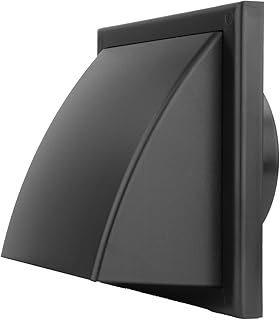
Ventilation plays a vital role in dairy farming by ensuring a continuous supply of fresh air while removing stale and contaminated air. During the summer, ventilation systems focus on removing heat, moisture, dust, and gases from the barn environment.

Natural ventilation relies on wind and air buoyancy to facilitate air changes in the barn. In contrast, mechanical ventilation systems, such as cross-ventilated or tunnel barns, use fans to achieve the desired air changes per hour. In winter, it is recommended to aim for four to eight air changes per hour, a significant decrease from the 40 to 60 air changes per hour required in summer.

Understanding how air moves through a naturally ventilated barn is essential. Warm air naturally rises, while cool air enters through openings like eaves and sidewalls. To maintain gentle air movement during winter, strategies like using high volume, low-speed fans and proper inlet placement are recommended.
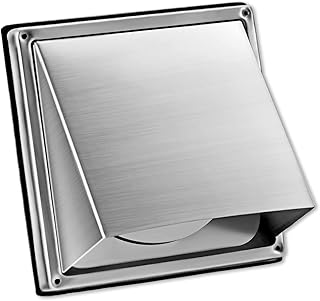
During extreme cold conditions, maintaining a slight sidewall opening is crucial to prevent a build-up of moisture and gases inside the barn. Cows, in response to colder temperatures, increase their feed intake to generate body heat, emphasizing the importance of proper ventilation to regulate internal barn conditions.

Effective ventilation in winter aims to reduce moisture levels, preventing the risk of pneumonia in cattle. Moisture in the barn primarily originates from animal respiration, which, when combined with cold air, can lead to humidity buildup. Proper ventilation systems help capture and remove excess moisture, gases, and dust from the barn environment.
Experts like Dr. Kevin Janni emphasize the importance of maintaining clean and dry stalls to prevent heat loss in cows. Wet stalls can draw heat away from the animals, leading to additional energy requirements for maintaining body temperature. Additionally, a humid barn environment can pose health risks to both cattle and farm workers.
Michigan State University Extension recommends several steps for winter ventilation preparedness, including testing air flow, inspecting curtain mechanisms, repairing any damages, and ensuring proper functioning of fans and inlet systems. These proactive measures are crucial for managing barn temperatures and moisture levels, even in harsh winter conditions.
Controlling barn ventilation in winter is a delicate balance between maintaining optimal conditions for cattle health and preventing the risks associated with poor air quality and excess moisture. With careful planning and adherence to best practices, dairy farmers can navigate the challenges of winter ventilation effectively.
📰 Related Articles
- UK Universities Navigate Stricter Visa Rules Amid Recruitment Challenges
- Tech Giants Navigate AI Landscape Amid Market Challenges in 2025
- Study Reveals Menstrual Health Challenges for Female Athletes in Bangladesh
- Study Reveals Impact of Endometritis on Dairy Cow Reproduction
- Specialty Coffee Roasters Navigate Challenges Amid Rising Costs in 2025