
Microplastics, particularly microfibers, have become pervasive in the environment, originating from various sources including synthetic fabrics. These tiny plastic particles pose a significant threat to ecosystems and human health. The shedding of microfibers during laundry exacerbates this issue, with a single wash load releasing millions of them into the water system.

As a researcher focusing on water pollution, I have observed the detrimental effects of microplastics on coastal ecosystems. Once microfibers enter the wastewater stream, even advanced treatment plants struggle to completely eliminate them. Consequently, these microfibers persist in the environment, accumulating in soil, air, and eventually making their way up the food chain.
The consequences of microplastic pollution are far-reaching, impacting aquatic life and potentially posing health risks to humans. Chemical additives and contaminants that adhere to microplastic particles can have adverse effects on organisms that ingest them, affecting their biology and behavior.
To address this issue, it is crucial to adopt sustainable laundry practices that minimize microfiber shedding. Fabrics with longer fibers and special coatings can help reduce shedding, while washing full loads less frequently and using cold water can also mitigate microfiber release.

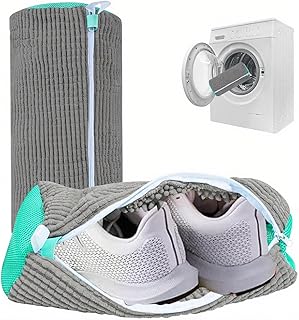
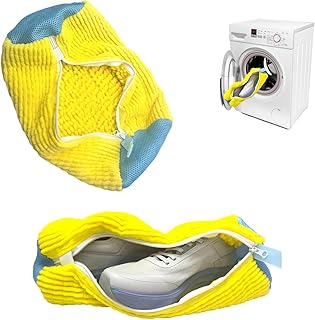
Various products and technologies have been developed to capture microfibers during the washing process. Laundry bags made of specialized materials and external filters retrofitted onto washing machines can significantly reduce the release of microfibers into the environment. Some countries have even passed legislation mandating the inclusion of microfiber filters in new washing machines to combat this pervasive pollution problem.

While the ultimate solution lies in developing textiles that do not shed microfibers, implementing filters in washing machines represents a practical and immediate step towards mitigating microplastic pollution. By holding manufacturers accountable and encouraging sustainable consumer behavior, we can work towards a cleaner and healthier environment for all.
📰 Related Articles
- The Packaging People Enhance Eco-Friendly E-commerce Packaging Solutions for Sustainable Business Practices
- World Health Assembly Urges Nations for Sustainable Financing Solutions
- UNEP FI Empowers Finance Professionals with Sustainable Practices
- TBC Bank Group PLC Champions Sustainable Finance Practices in 2024
- Sustainable Paper Leader Mondi Champions Eco-Conscious Practices