
Working from home has become a new normal for many individuals, with the ongoing pandemic reshaping the way we approach our professional lives. As the lines between home and office blur, the need for a dedicated workspace has become increasingly apparent. For those struggling to find a quiet spot within their homes, the garden has emerged as a promising alternative.

Recent data indicates a significant uptick in the interest surrounding garden offices and sheds, with nearly a million individuals investing in these structures since the start of the lockdown. This surge in demand has prompted a wave of inquiries and orders for companies specializing in shed offices and garden rooms. From basic summerhouses to high-end architectural marvels, the market offers a wide range of options to suit varying budgets and preferences.

Research reveals that the average garden workspace costs a little over £3,000 and spans 65 square feet. While budget-friendly options exist, a substantial investment is often required for a fully functional space that can be utilized year-round. Insulated garden rooms, such as those offered by leading retailers, provide a comfortable and weather-resistant environment conducive to productivity.

Sheds.co.uk, for instance, offers insulated garden rooms starting at £5,694 for a 3×3 meter structure, with larger options available at higher price points. Similarly, John Lewis features garden offices made from high-quality materials like FSC-certified Scandinavian redwood, complete with insulation and double-glazed windows. The cost of these structures includes installation and delivery, ensuring a hassle-free setup process.

For those inclined towards DIY projects, creating a garden workspace can be a cost-effective endeavor. Insulation boards from reputable brands like Celotex and Kingspan can be used to upgrade a basic shed into a cozy office space. However, for those seeking premium options, companies like Podmakers offer bespoke solutions like the Escape Pod, a luxurious yet functional structure designed for optimal comfort and productivity.
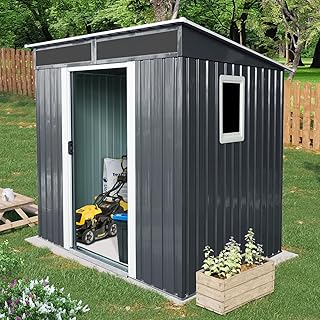
When it comes to setting up a garden office, considerations extend beyond the physical structure. Planning permission, electricity connectivity, and wifi access are essential aspects to address. While most garden buildings do not require planning permission, ensuring a reliable power source and internet connection is crucial for seamless operations. Additionally, understanding insurance coverage for the building and its contents is paramount to safeguard against unforeseen circumstances.

For those on a tighter budget or with limited space, alternative solutions like converting spare rooms or corners into workspaces are viable options. Second-hand furniture suppliers offer cost-effective packages, while tech reviews provide insights into selecting ergonomic office essentials. From budget-friendly chairs to space-saving desks, there are numerous ways to create a functional home office tailored to individual needs.
As the trend of working from home continues to evolve, the concept of garden offices presents a versatile and practical solution for those seeking a dedicated work environment. Whether opting for a pre-built structure or embarking on a DIY project, the key lies in creating a space that fosters productivity and comfort in the midst of evolving work dynamics.
📰 Related Articles
- US Office Supplies Market Surges Amid Remote Work Trends
- ProtoArc Launches XKM01 CaseUp for Ergonomic Remote Work
- Organic Personal Care Market Surges Amid Green Beauty Trend
- Global Soy Protein Market Surges Amid Plant-Based Nutrition Trend
- Electric Motorbike Popularity Surges in Australia: Top Brands Revealed